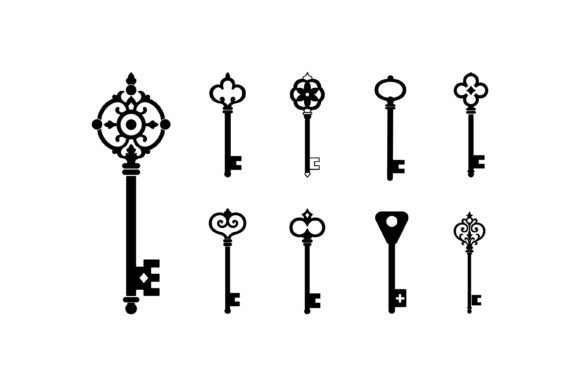
Vintage Ornate Skeleton Key Icon Set Review
When I first pulled the Vintage Ornate Skeleton Key Icon Set from my library of design assets, I didn’t just see a file; I saw a mood. As a designer who spends half her life troubleshooting stitch errors and the other half trying to convince clients that embroidery adds value, I am always looking for designs that bridge the gap between digital precision and tactile charm. This set, categorized under Crafts and Graphics, immediately caught my eye not because it is loud, but because it is refined. It carries that specific weight of history—antique, ornate, and slightly mysterious—that resonates deeply with today’s market for personalized gifts and boutique branding.
The premise is simple: a collection of skeleton keys rendered in a retro, vintage style. But in the world of machine embroidery, "simple" can often mean "boring," and "detailed" can mean "nightmare." My job is to determine where this embroidery project lands on that spectrum. After testing these files in various real-world scenarios—from custom apparel to delicate baby items—I have formed a clear picture of what this machine embroidery design brings to the table, and more importantly, where it might trip you up if you aren’t careful.
First Impressions: Mood and Visual Personality
The visual personality of the Vintage Ornate Skeleton Key Icon Set is distinctly nostalgic. The shapes are intricate, featuring the classic bow, shaft, and bit structure of old-fashioned keys, but stylized with enough flourish to feel decorative rather than purely functional. When I look at the preview images, particularly the transparent PNG and the editable AI files, I see a design that screams "heritage." It feels like something you would find tucked inside an antique jewelry box or stamped onto a leather-bound journal.
This aesthetic is incredibly versatile. It doesn’t scream for attention like a cartoon character might, nor does it whisper so quietly that it gets lost. Instead, it offers a sophisticated accent. For an Etsy seller or a small shop product owner, this translates to high perceived value. Customers love the idea of owning something that looks timeless. Whether you are creating a personalized gift for a housewarming or adding a subtle logo to a craft business tote bag, this icon set provides a level of elegance that elevates the entire piece.
Real-World Application: Where Does It Shine?
I put this embroidery file through its paces by imagining it on actual products. The most immediate application that came to mind was a tote bag design. Imagine a heavy canvas bag in natural beige or deep navy. Placing a single, medium-sized skeleton key icon centered on the front pocket creates a striking focal point. Because the design relies on clean lines and defined shapes, it works beautifully as a standalone statement piece. It suggests that the wearer values history, secrets, or perhaps just good aesthetics.
Another strong contender is sweatshirt embroidery. Think of a cozy, oversized cream-colored sweatshirt with the key motif placed subtly over the heart or down the left sleeve. The vintage theme pairs perfectly with the comfort and casual nature of knit fabrics. The ornate details of the key add a touch of luxury to an otherwise relaxed garment, making it a perfect item for holiday gifting or boutique retail. It transforms a basic blank into a curated fashion item.
I also envision this working exceptionally well for aprons and kitchen towels. In a rustic farmhouse kitchen setting, an embroidered skeleton key adds character without cluttering the space. It fits the narrative of home cooking, heritage recipes, and handmade goods. For the creative entrepreneur selling digital mockups or physical prints, this design is gold. It photographs well, reads clearly in small thumbnails, and appeals to a broad demographic interested in decor and lifestyle products.
Niche Uses: Patches, Caps, and Nursery Decor
Beyond apparel, the versatility extends to accessories. An embroidered patch featuring one of these keys could be sewn onto a denim jacket or a backpack, offering a customizable way to express individuality. Similarly, for caps and hats, the compact nature of many icons in this set allows for a clean, professional finish on curved surfaces. However, curvature requires careful digitizing, which we will discuss shortly.
In the realm of nursery decor, the key motif can symbolize unlocking potential or new beginnings. On a pillow cover or a blanket for a child’s room, the design softens when executed in pastel threads, turning a symbol of security into a whimsical storybook element. It is a subtle way to introduce themes of adventure and discovery.
Technical Considerations and Potential Pitfalls
While the aesthetic appeal is high, every experienced designer knows that beauty must survive the needle. There are specific areas where the Vintage Ornate Skeleton Key Icon Set demands caution. The primary concern is detail density. Skeleton keys, by their nature, have thin shafts and intricate cutouts in the bow. If you attempt to stitch these on a very small hoop size, the fine lines may merge together, resulting in a muddy blob rather than a crisp key.
Furthermore, fabric choice plays a critical role. On textured fabrics like heavy wool or loose-weave linen, the stabilizer support might not be enough to keep the satin stitches smooth. You risk puckering or thread breaks. Thin fabrics are equally problematic; without adequate backing, the tension required for the ornate details can distort the material. Stretchy knits require extra care, as the movement of the fabric can cause the precise geometry of the key to warp during stitching.
Dark fabrics present another variable. While bold colors work well, the contrast of the thread against the background is crucial for readability. If the key has tiny negative spaces (the holes in the metal), those areas need to be stitched out cleanly. If your thread colors do not provide sufficient contrast, those details will vanish. Always test your color palette on the actual fabric before committing to a large production run.
Practical Designer Notes for Success
To ensure your finished product looks professional and sells well, follow these practical steps:
- Test on Scrap Fabric: Never go straight to the final product. Stitch the design on a scrap piece of the same fabric and stabilizer combination you plan to use. This reveals issues with tension, density, and pull compensation early.
- Check Stitch Density: Review the underlying digitization. Are the satin stitches too wide for the fine details? Is the fill stitch appropriate for the scale? If the design feels too dense, consider simplifying the thread path or reducing the stitch count where possible.
- Inspect Small Details: Zoom in on the digital preview. Look at the corners of the key bit and the inner curves of the bow. These are the areas most likely to suffer from thread clumping or breakage.
- Use Proper Stabilizer: Depending on your fabric, you may need cut-away stabilizer for permanent stability or tear-away for lightweight projects. Using the wrong type can lead to unsightly marks or distortion.
- Verify Licensing: Before listing any commercial embroidery items on Etsy or your own website, double-check the license terms included with the Digital embroidery file. Ensure you are permitted to sell finished goods made from these designs.
- Mockup Testing: Create black-and-white mockups to check contrast. Sometimes a color that looks vibrant on screen disappears in person. Adjust your thread choices based on these tests.
Final Verdict
The Vintage Ornate Skeleton Key Icon Set is a standout asset for any designer looking to add a touch of classic elegance to their portfolio. It is not just a graphic; it is a storytelling device that enhances the emotional connection between the maker and the buyer. From custom apparel to handmade product accents, this set offers remarkable flexibility.
However, success lies in execution. By respecting the technical limitations of embroidery—hoop size, fabric texture, and stitch density—you can transform these digital icons into tangible treasures. For the maker willing to invest time in quality control, the return on investment is significant. The design commands respect, sparks curiosity, and ultimately, drives sales. It is a reliable, stylish, and commercially viable addition to your creative toolkit.