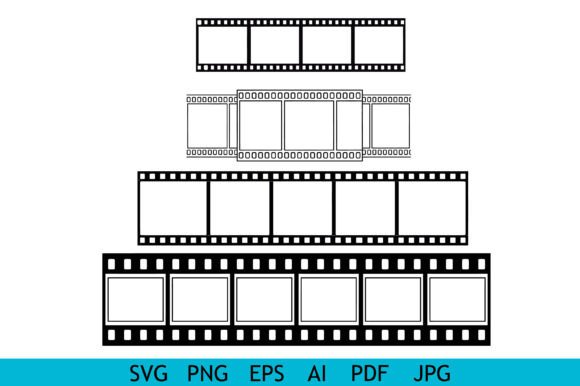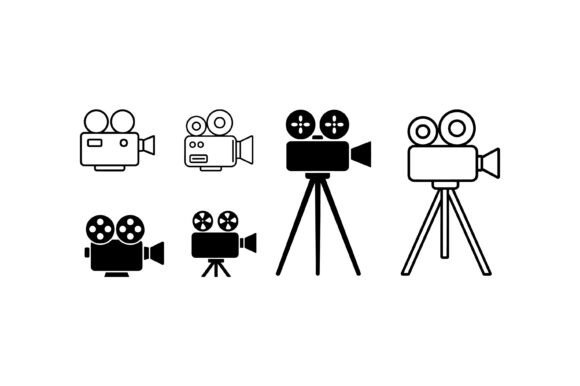
Vintage Film Camera Icon Collection Review
As a designer who spends half my day staring at stitch charts and the other half worrying about whether a client’s vision will actually hold up in a hoop, I approach every new machine embroidery design with a healthy dose of skepticism. We’ve all been there: you buy a beautiful digital asset, it looks stunning on screen, but after three hours of stitching, it turns into a muddy blob that no one wants to wear. That is why I take the time to evaluate designs like the Vintage Film Camera Icon Collection before they ever touch my embroidery machine or end up in a customer’s hands.
This collection falls squarely into the Crafts and Graphics categories, offering vector-based assets including SVG, PDF, JPEG, PNG Transparent, EPS, and AI files. But for us in the handmade space, the real question isn’t just about file compatibility—it’s about how these icons translate from a flat screen to textured fabric. Are they too intricate? Do they have enough visual weight to stand out on a tote bag? Can they survive the wash cycle without falling apart? Let’s break down what this embroidery project brings to the table for small business owners, Etsy sellers, and serious hobbyists.
First Impressions: Mood and Visual Personality
The moment you open the Vintage Film Camera Icon Collection, the aesthetic is immediately clear. It taps into that nostalgic, retro vibe that has been dominating home decor and apparel trends for years. The imagery—cameras, film reels, tripods, and cinema motifs—evokes a sense of storytelling and creativity. This isn’t just a generic logo; it feels like a curated set of design assets meant to communicate passion for the arts.
From a design perspective, the shapes are clean and recognizable. For an embroidery file, simplicity is often the enemy of detail, but here, the vintage style works in our favor. Bold outlines and distinct negative spaces mean fewer chances for thread breaks or piling. The visual personality is warm and inviting, making it perfect for brands that want to appear artisanal, thoughtful, and timeless rather than modern and corporate. It creates a mood that says, “I appreciate the craft behind the image,” which is a powerful message for any handmade product.
Real-World Application: Where Does This Design Shine?
I recently imagined using this collection for a custom order: a batch of personalized aprons for a local photography club and a line of embroidered patches for a boutique camera shop. Here is how the Vintage Film Camera Icon Collection performs in those scenarios.
Custom Apparel and Totes: When placed on a canvas tote bag design, the icons pop beautifully. The contrast between the dark denim or natural canvas and bright thread colors makes the camera details stand out. It’s versatile enough to work as a central chest placement on a sweatshirt or a scattered pattern on a baby onesie. The sweatshirt embroidery potential is high here because the thick fabric can handle the slight density of the design without buckling.
Personalized Gifts and Nursery Decor: Think about a new parent who is also a photographer. An embroidered blanket featuring a subtle film reel motif from this collection adds a layer of personal meaning that generic nursery decor lacks. Similarly, for a personalized gift like a monogrammed cap, using one of the tripod icons as a side accent adds a unique flair that customers love.
Small Business Merchandise: If you run a craft business selling photography prints or art supplies, this collection serves as excellent branding material. You can use the AI and EPS editable files to create consistent digital product previews and printable mockups for your Etsy listings. The professional look of the vector source files ensures that your brand remains sharp across both physical and digital platforms.
Technical Considerations and Potential Pitfalls
No design is perfect, and knowing where to exercise caution is what separates a pro from an amateur. While the Vintage Film Camera Icon Collection is robust, there are specific situations where you need to be careful.
- Small Hoop Sizes: If you attempt to stitch the full scene or highly detailed corners in a tiny 4x4 hoop, you may lose clarity. Always check the hoop size requirements. If the design includes fine lines representing film grain or lens reflections, ensure your machine can resolve them. If not, consider simplifying the design in your editing software.
- Fabric Texture and Stretch: Embroidering on stretchy fabrics like jersey knits requires a strong stabilizer to prevent puckering. On heavily textured fabrics like chunky wool or terry cloth, the stitch density might get lost. Test on scrap fabric first to see if the threads anchor properly.
- Dense Stitch Areas: Be mindful of areas where fill stitches overlap. If the design uses heavy satin stitches for the camera body, ensure your thread tension is adjusted correctly to avoid visible backing showing through.
- Dark Fabrics: If you are embroidering on black or navy custom apparel, choose light-colored threads (white, cream, gold) to ensure the thread colors provide enough contrast. Dark-on-dark embroidery often looks better when it relies on texture rather than color difference, but it’s riskier for general consumers.
Stitch Quality and Product Value
One of the biggest factors in customer satisfaction is the perceived value of the finished product. A well-executed embroidered patch or cap feels premium. The clean lines of the Vintage Film Camera Icon Collection contribute to this professionalism. When a buyer sees crisp edges and even running stitch details, they trust the quality of the entire item.
Furthermore, the versatility of receiving the design in multiple formats allows you to adapt the graphic for different uses. You can trace the SVG for applique work, creating a layered look with contrasting fabrics, or use the PNG transparent version for direct-to-garment mockups. This flexibility is crucial for Etsy sellers who need to showcase their products in various contexts without investing in expensive photoshoots for every variation.
Practical Designer Notes for Success
Before you commit to a large production run, follow these steps to ensure the best outcome:
- Test on Scrap Fabric: Never skip this step. Check how the stabilizer interacts with your chosen fabric and how the stitch density holds up.
- Review in Black and White: Convert your design preview to grayscale. If the shapes merge together and become indistinguishable, the design may lack sufficient contrast for embroidery.
- Check Licensing: Since you are receiving editable files (AI, EPS), confirm the license terms. Ensure you have the right to sell finished items made from this commercial embroidery design.
- Optimize Thread Colors: Don’t rely on default color palettes. Choose threads that complement the vintage aesthetic—muted tones, earthy browns, or classic blacks and whites often work best.
- Inspect Small Details: Zoom in on the digital file. Are there tiny dots or thin lines that might break during stitching? Simplify if necessary.
In conclusion, the Vintage Film Camera Icon Collection is a strong addition to any designer’s library. It balances aesthetic appeal with practical embroidery considerations. Whether you are creating a holiday embroidery gift, updating your small shop product line, or designing a unique baby embroidery piece, this collection offers the visual depth and structural integrity needed to create a successful, marketable item. Just remember: good design starts with a great file, but a great product comes from careful execution.