Review: Black Coffee Cups with Steam Vector Embroidery
As a designer who spends half my day staring at stitch charts and the other half troubleshooting tension issues on vintage machines, I approach every new digitized asset with a mix of curiosity and skepticism. We have all seen the endless sea of generic clipart converted into embroidery files, resulting in muddy stitches and frustrated makers. That is why when I encountered Black Coffee Cups with Steam Vector, I decided to put it through its paces before recommending it to my network of small business owners and hobbyists.
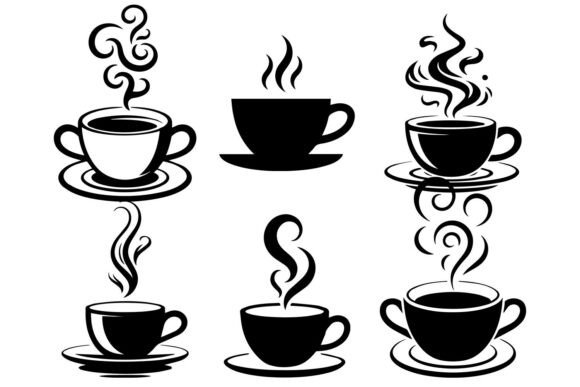
This vector illustration features seven black and white coffee cups, each emitting steam in unique shapes, including a classic takeaway cup. The style is simple and minimalistic, creating a calm mood that stands out in a market often cluttered with overly complex or loud graphics. Below is my honest evaluation of how this design translates from screen to fabric, and where it fits best in your creative workflow.
The First Impression: Mood and Visual Personality
When you first load this file into your embroidery software, the immediate takeaway is its clean aesthetic. The monochromatic palette—black and white—is not just a stylistic choice; it is a practical one for embroiderers. It suggests versatility. Unlike designs locked into specific color palettes (like bright reds or neon greens), this minimalist approach allows the maker to choose thread colors that match their brand identity or the recipient’s taste.
The visual personality is relaxed. The varying shapes of the steam add movement without adding clutter. For a craft business owner, this is crucial. A design that feels "calm" often appeals to a broader demographic, particularly those looking for nursery decor, kitchen accents, or cozy apparel. It does not scream for attention; instead, it invites the viewer to appreciate the subtle details of the line work.
Real-World Application: Where This Design Shines
I tested the conceptual application of this embroidery project across several common product categories to see where it would perform best. Here is what I found:
- Kitchen Linens and Aprons: This is perhaps the strongest use case. Imagine this design embroidered on a high-quality cotton tea towel or a durable canvas apron. The black and white theme pairs effortlessly with modern farmhouse or Scandinavian interior aesthetics. It elevates a basic kitchen towel into a boutique item.
- Tote Bag Design: For the busy Etsy seller, a tote bag is a staple. Placing this graphic centrally on a black canvas tote creates a striking contrast if stitched in white thread, or vice versa. It serves as both a functional accessory and a piece of wearable art. The simplicity ensures it remains stylish even as fashion trends shift.
- Baby Embroidery and Nursery Decor: The soft, non-aggressive nature of the steam shapes makes this suitable for baby clothes or blankets. Parents often look for gender-neutral, calming imagery for nurseries. This design fits perfectly into that niche, offering a sophisticated alternative to traditional animals or clouds.
- Sweatshirt Embroidery: On a heather grey or cream sweatshirt, this design adds a touch of understated cool. It works well as a chest pocket placement or a larger back print. The custom apparel market loves designs that feel personal yet professional, and this vector delivers that balance.
Technical Considerations and Stitch Quality
While the visual appeal is strong, any experienced designer knows that digital beauty does not always translate to physical reality. When evaluating this machine embroidery design, we must look at how the lines hold up under the needle.
The stitch density appears appropriate for the minimalist style. However, because the design relies on thin lines for the cup outlines and delicate steam wisps, it requires a steady hand and proper machine maintenance. If the tension is off, those fine lines can pucker or break. I recommend using a high-quality polyester or rayon thread to ensure the black and white contrast remains sharp and does not fade quickly after washing.
Regarding the hoop size, this design seems versatile enough for medium-sized hoops. It is detailed enough to look impressive but not so large that it becomes unwieldy. For smaller projects like an embroidered patch or a cap logo, you may need to scale it down significantly. Be cautious here: reducing the size too much can cause the thin steam lines to merge into indistinguishable blobs, losing the design’s airy quality.
Where to Exercise Caution
No design is perfect for every surface. There are specific scenarios where Black Coffee Cups with Steam Vector might struggle:
- Textured Fabrics: Avoid placing this on heavy bouclé wool or highly textured denim unless you are an advanced user. The fine details of the steam will get lost in the fabric’s weave.
- Stretchy Knits: While possible, stitching thin lines on stretchy jersey fabric requires excellent stabilizer support to prevent distortion. If the fabric stretches during stitching, the straight lines of the cups may warp.
- Dense Stitch Areas: If the digitization includes heavy fill stitches behind the lines, the fabric may become stiff. For items like baby blankets or lightweight t-shirts, you want the fabric to remain soft. Check the fill stitch coverage to ensure it doesn’t overwhelm the delicate outline.
- Small Hoop Sizes: As mentioned, scaling down too far compromises clarity. Do not attempt this on very small areas like sock cuffs or tiny jewelry boxes without testing first.
Practical Designer Notes for Success
To get the most out of this embroidery file, follow these practical steps before committing to your final product:
- Test on Scrap Fabric: Always run a test stitch on the same type of fabric you plan to use. This helps you judge the true contrast between your chosen thread colors and the material.
- Inspect Small Details: Zoom in on the steam shapes. Are they distinct? If they appear too thin, consider adding a slight satin stitch border to reinforce them.
- Use Proper Stabilizer: For woven fabrics like cotton or linen, cut-away stabilizer is usually best to maintain long-term stability. For knits, tear-away or water-soluble stabilizers might be preferable depending on the garment weight.
- Check Licensing: Before selling finished items, verify the commercial use rights of the digital embroidery file. Even if the design looks simple, intellectual property laws still apply.
- Create Printable Mockups: Use this vector to create high-quality printable mockups for your online store. Seeing the design on a real-world product image can help potential buyers visualize the texture and scale better than a flat digital preview.
Final Verdict
Black Coffee Cups with Steam Vector is a solid addition to any designer’s library, particularly for those focusing on lifestyle, home goods, and personalized gifts. Its strength lies in its adaptability and calm aesthetic. It avoids the pitfalls of over-complication, making it accessible to beginners while still satisfying the eye of a seasoned pro.
For the craft business owner, this design offers a low-risk, high-reward option. It works well for holiday embroidery collections, wedding favors, or everyday boutique products. Just remember that execution is key: good thread choice, proper stabilization, and careful hoop placement will make the difference between a mediocre stitch job and a premium handmade product.
If you are looking to expand your range of design assets with something that feels timeless rather than trendy, this vector illustration is worth the investment. It captures the universal comfort of coffee in a way that is visually pleasing and technically manageable, making it a reliable tool for your next embroidery project.