Vintage Sports Ball Patterns: A Designer’s Real-World Embroidery Review
As a designer who spends more time judging stitch density than scrolling through social media, I approach every new design file with a healthy dose of skepticism. We have all seen the "perfect" vector that looks stunning on screen but turns into a tangled mess once it hits the hoop. That is why I took Vintage Sports Ball Patterns for a real-world test run. This isn't just about whether the graphics look good; it is about whether they translate into a sellable, durable, and professional-looking finished product.
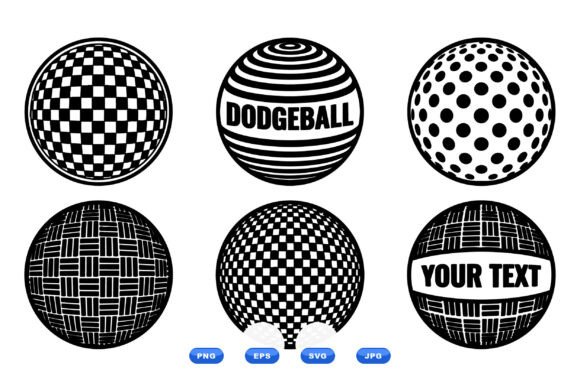
The collection presents itself as a retro halftone vector set featuring six textured dodgeball icons. One icon includes a label, while another offers a customizable space. At first glance, the mood is playful yet nostalgic. It taps into that mid-century aesthetic that is currently dominating craft fairs and boutique shops. But does it hold up when you are preparing custom embroidered totes for a weekend market or stitching personalized gifts for clients? Let us break down the practical application.
First Impressions and Visual Personality
The immediate appeal of Vintage Sports Ball Patterns lies in its texture. The halftone effect gives the balls a tactile quality even before they are stitched. For an embroidery project, this translates to a design that feels substantial rather than flat. The shapes are distinct, which is crucial for maintaining clarity during the digitizing process. When I opened the files, I noted that the visual personality leans heavily toward casual and fun. It is not suited for formal wear or high-end corporate branding. Instead, it naturally belongs in the realm of handmade products, custom apparel, and lifestyle goods.
The inclusion of a customizable label is a smart move for small business owners. It allows you to add a name, a date, or a short phrase without cluttering the main graphic. This feature significantly boosts the value of the final item, transforming a simple graphic into a personalized gift or a branded piece of merchandise. The layout is balanced enough to work well centered on a chest area or scaled down for a pocket placement.
Real-Life Application: From Screen to Stitch
I tested this design concept across several common use cases to see how it performs in actual production scenarios. Here is where Vintage Sports Ball Patterns shines:
- Tote Bag Design: The bold lines and textured fill work exceptionally well on canvas tote bags. The contrast between the dark thread and the natural fabric highlights the halftone details, making the design pop without requiring excessive stitching.
- Sweatshirt Embroidery: For cozy, casual wear, this pattern fits perfectly. The retro sports theme pairs well with heavy cotton blends. It adds a touch of personality to hoodies and crewnecks without looking childish.
- Baby Embroidery: While dodgeballs might seem like a grown-up toy, the soft, rounded shapes and pastel-friendly color palettes make this suitable for nursery decor or baby clothes. It serves as a unique alternative to traditional animal motifs.
- Embroidered Patch: The self-contained nature of the ball icons makes them ideal for creating patches. You can easily add a border and apply them to denim jackets, caps, or backpacks.
- Holiday Embroidery: If you adjust the thread colors to match seasonal themes—like red and green for Christmas or orange and black for Halloween—this design becomes a versatile asset for holiday gifts and decorations.
For an Etsy seller or craft business owner, this versatility is key. You can list one digital file and create multiple physical products, maximizing your return on investment. The design assets are clean enough to serve as printable mockups for your online store, giving customers a clear preview of the finished product.
Where Caution Is Required
No design is perfect for every situation. As an experienced reviewer, I must point out where Vintage Sports Ball Patterns requires careful handling. Attempting to stitch this on stretchy fabric without proper stabilization will likely result in distortion. The halftone texture relies on consistent spacing, which can be lost if the fabric puckers.
Similarly, small hoop sizes pose a challenge. If you try to shrink the design too much, the individual dots of the halftone pattern may merge, losing the textural detail that makes the design attractive. I recommend keeping the minimum size large enough to preserve the integrity of the stitches. Dark fabric can also be tricky; if you do not choose high-contrast thread colors, the subtle variations in the halftone effect will disappear into the background.
Avoid placing this design on curved surfaces like the front panel of a cap unless you have significant experience with curved hooping. The geometric precision of the balls may warp visually if the curvature is too pronounced. Additionally, be mindful of stitch density. While the design is not overly dense, filling in the entire ball with solid stitches can make the fabric stiff. Using a combination of fill stitch and running stitch accents can help maintain flexibility.
Practical Notes for the Embroidery Designer
Before you upload this file to your machine, there are several technical checks you should perform. First, always test the design on scrap fabric first. This allows you to gauge how the halftone texture renders in thread and whether any adjustments to tension are needed.
Review the stitch density closely. If the file is provided as a vector, ensure your digitizing software converts the halftone dots into appropriate stitch types. Too many tiny stitches in a small area can lead to needle breaks or thread jams. Check whether the design works for both personal and commercial projects by reviewing the license terms. Many digital embroidery file collections come with specific restrictions on how many finished items you can sell.
Inspect small details, such as the edges of the balls and the text in the customizable label. Ensure that these elements are clear and legible. Use a stabilizer that matches your fabric weight; a tear-away stabilizer might be sufficient for light fabrics, but a cut-away may be necessary for heavier materials like denim or fleece. Comparing light and dark fabric backgrounds in black and white mockups can help you determine the best thread colors for maximum impact.
Final Verdict on Value and Appeal
Vintage Sports Ball Patterns succeeds because it balances nostalgia with modern simplicity. It avoids the cluttered look of some retro designs while retaining enough character to stand out. For the creative entrepreneur or maker, this design offers a reliable way to create custom apparel and handmade products that feel curated and thoughtful.
The ability to customize the label adds a layer of professionalism, allowing you to brand your work seamlessly. Customers appreciate designs that feel unique yet accessible. This pattern delivers exactly that. It builds customer trust by presenting a clean, well-executed image that promises a high-quality embroidery project.
In summary, this is a strong addition to any library of graphics for the crafts category. It is particularly effective for small shop product lines focused on casual, vintage-inspired aesthetics. Just remember to respect the limitations of the medium. Test thoroughly, choose your fabrics wisely, and let the texture do the talking. When executed correctly, Vintage Sports Ball Patterns transforms from a simple vector into a compelling, market-ready design asset.