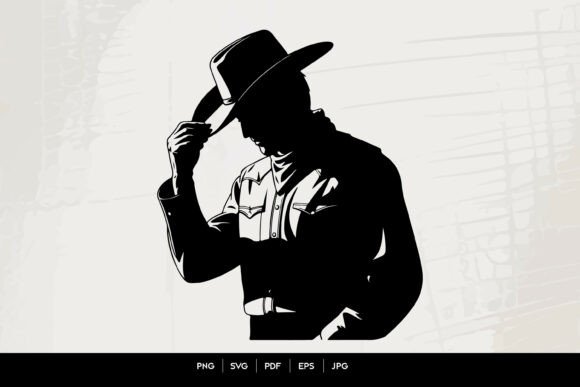
Cowboy Duel Silhouette Vector Art Review
As a designer who spends more time than I care to admit staring at stitch lines and fabric grain, I approach every new asset with a healthy dose of skepticism. The market is flooded with generic clipart, but when something catches my eye for its potential in machine embroidery design, I dig deeper. Recently, I’ve been evaluating the Cowboy Duel Silhouette Vector Art set, and I want to share my practical thoughts on whether this graphic holds up under the needle or if it’s just another digital clutter item.
This collection isn’t just a single image; it’s a suite of files including PNG, SVG, EPS, PDF, and JPG formats. For those of us working in the crafts and Graphics space, having that versatility is crucial. But does it translate well from screen to hoop? Let’s break down how this embroidery project idea performs in the real world.
First Impressions: Mood and Visual Personality
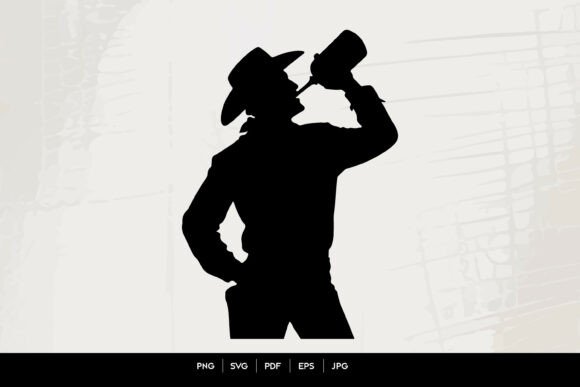
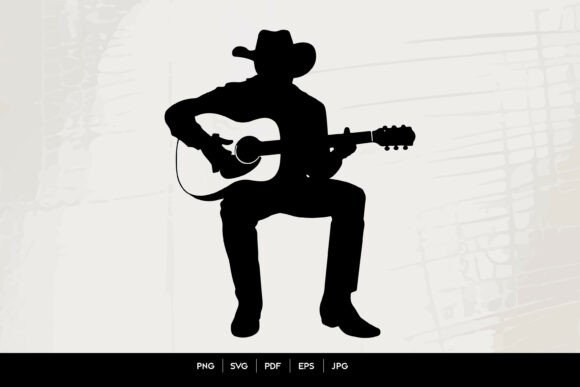
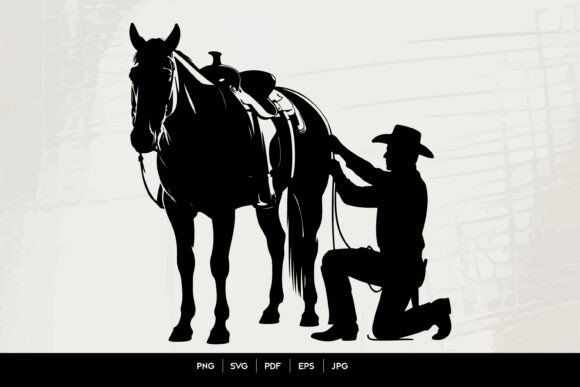
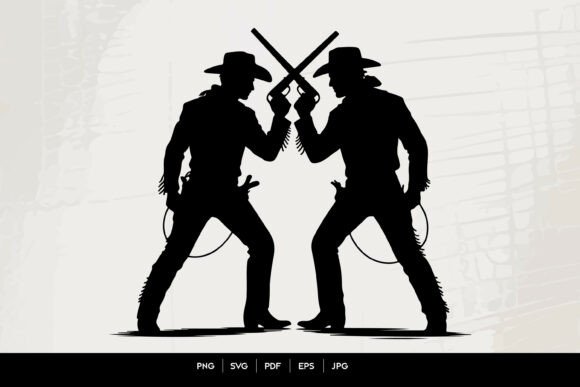
The immediate appeal of the Cowboy Duel Silhouette Vector Art lies in its stark, high-contrast aesthetic. There is a raw, cinematic energy to two gunslingers locked in a standoff. It evokes the wild west, vintage posters, and the tension of a classic showdown. Visually, it feels bold and unapologetic.
From a design perspective, silhouettes are often easier to embroider than intricate line art because they rely on shape rather than fine detail. This particular design has a strong visual personality. It doesn’t need shading to convey action; the posture of the figures speaks for itself. Whether you are leaning into a vintage aesthetic or a modern retro streetwear vibe, this asset anchors the composition effectively. It creates an instant narrative before the viewer even reads a word.
Real-World Application: Where Does It Fit?
I recently tested this concept mentally (and physically) for a custom order. Imagine a client asking for a personalized gift for a husband who loves history and western themes. A simple tote bag design featuring this duel scene felt too casual, so we pivoted to a heavyweight cotton canvas tote or perhaps a durable apron for a grill master.
However, the true power of this embroidery file shines in apparel. Picture a black crewneck sweatshirt with the duel scene centered on the back, rendered in white thread. The contrast would be striking. Alternatively, placing it on the chest of a denim jacket adds a touch of rugged individualism. It works beautifully as an embroidered patch intended to be sewn onto a backpack or a leather cap.
For Etsy sellers and small shop product creators, this design offers high versatility. It fits seamlessly into categories like:
- Holiday Embroidery: Perfect for Christmas gifts targeting men who appreciate rugged aesthetics.
- Boutique Branding: Use it on tags or hangtags for western-themed clothing lines.
- Personalized Gifts: Add names or dates around the silhouette for wedding gifts or bachelor party favors.
- Digital Product Previews: Since it comes in vector formats, you can create stunning printable mockups to sell alongside the physical goods.
Technical Considerations for Embroidery Designers
While the visual appeal is undeniable, translating a vector silhouette into a stitched reality requires careful planning. Here is what I noticed during my evaluation process.
Stitch Density and Clarity
Silhouettes typically require fill stitches. The key here is stitch density. If the density is too low, the fabric will show through, ruining the solid look of the silhouette. If it is too high, the fabric may pucker, especially on lighter materials. Because this is a vector art piece, you have control over the fill patterns. I recommend experimenting with different fill types—perhaps a straight fill for a clean, modern look, or a slightly textured fill to mimic the roughness of old film grain.
Pay close attention to the hands and weapons. These are the focal points of the "duel." In a small hoop size, these details can become muddy. If the gun handles or fingers are too thin, they may disappear entirely after stitching. It is wise to check the hoop size requirements and ensure that the smallest elements remain legible.
Fabric and Thread Selection
This design demands high contrast. On dark fabrics, light threads work best, while light fabrics require dark threads. Avoid mid-tone colors unless you are using specialty metallics or variegated threads, which can add depth but also risk muddying the silhouette.
Consider the fabric texture. A smooth cotton twill for caps or bags will render the edges crispest. However, if you are working with a textured fabric like burlap or heavy fleece, the definition might soften. In such cases, you might benefit from adding a satin stitch border around the silhouette to define the edges clearly against the background weave.
Where to Use It Carefully
Not every surface is created equal. While this design assets package is versatile, there are pitfalls to avoid:
- Small Hoop Sizes: Do not attempt to stitch this entire scene in a 4x4 inch hoop if the original artwork is wide. You may need to crop it or scale it down significantly, which risks losing the impact of the standoff.
- Stretchy Fabrics: Knits can distort under the tension of fill stitches. Always use a proper stabilizer—cut-away for knits—to prevent the silhouette from warping after washing.
- Curved Surfaces: Stitching a large rectangular silhouette on a curved surface like a baseball cap can be challenging. The top and bottom edges may pull inward. Test this on scrap material first.
- Thin Fabric: Avoid using this on very thin t-shirts or jersey materials without adequate backing stabilizer, as the weight of the thread could cause puckering.
Professional Judgment and Final Thoughts
The Cowboy Duel Silhouette Vector Art is a strong contender for anyone looking to add a statement piece to their repertoire. It balances artistic flair with technical feasibility. For the creative entrepreneur, it offers multiple revenue streams: physical products like custom apparel and kitchen towels, as well as digital downloads for other designers.
Before committing to a full production run, I strongly advise testing the design on scrap fabric. Check the thread colors for contrast, inspect the stitch density for any gaps, and ensure the finished product maintains its shape after a wash cycle. Also, remember to review the licensing terms. If you plan to sell these items commercially, confirm that your usage rights cover commercial embroidery projects.
In summary, this is more than just a pretty picture. It is a functional, mood-setting graphic that, when executed with care, can elevate a simple garment into a memorable piece of wearable art. Whether you are a seasoned pro or a hobbyist maker, this asset deserves a spot in your library.