Cowboy Drinking Bottle Silhouette Art Embroidery Review
As a designer who spends half my life staring at digitized files and the other half troubleshooting tension issues on my embroidery machine, I have learned to be skeptical of any design that promises too much. When I first pulled up Cowboy Drinking Bottle Silhouette Art, I wasn’t looking for a masterpiece; I was looking for something that would hold up in the real world. I needed a graphic that could translate cleanly from a digital screen to a physical stitch pattern without losing its soul or falling apart during the wash cycle.
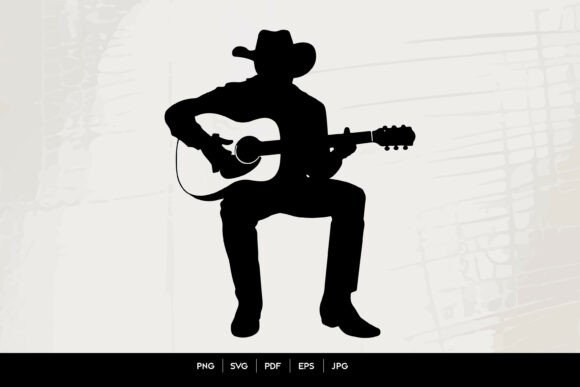
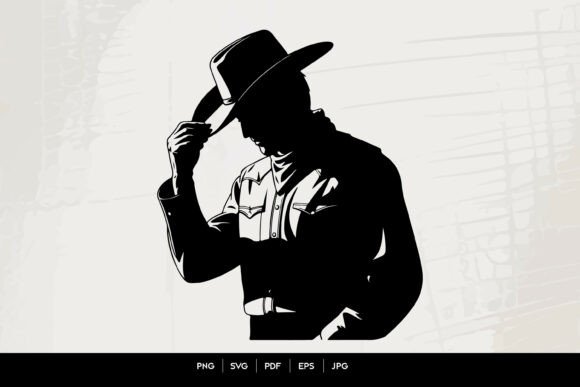
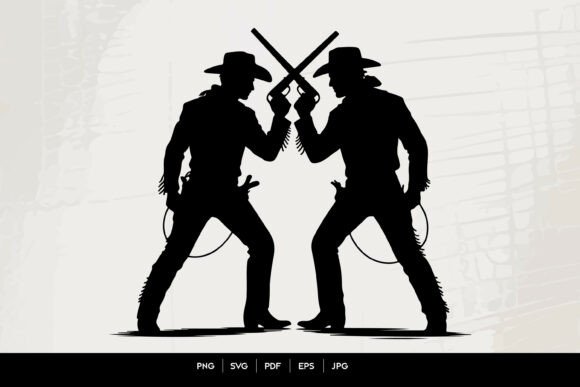
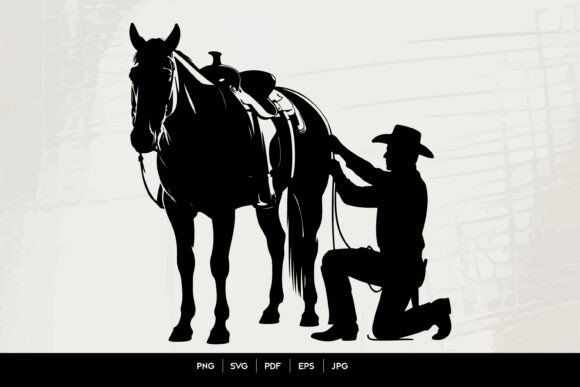
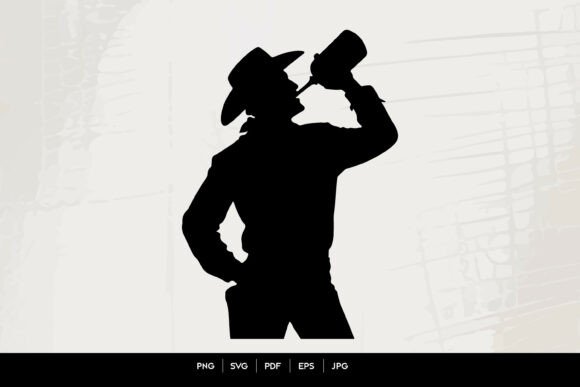
The immediate impression is one of rugged simplicity. The silhouette captures a distinct western mood—a rancher or outlaw, bottle in hand—that feels instantly recognizable. It doesn’t rely on complex shading or intricate line work that often gets lost in dense fabric textures. Instead, it leans into bold shapes and negative space. For an embroidery project, this is a massive advantage. The visual personality is strong enough to stand alone on a plain canvas but subtle enough not to overwhelm a garment’s existing details. It screams "rustic vintage," which is exactly where this design belongs.
Real-World Application: From Screen to Stitch
I decided to test Cowboy Drinking Bottle Silhouette Art in a scenario that mirrors what many Etsy sellers and small business owners face daily: creating a custom embroidered tote bag for a local craft fair. The goal was to produce a limited-run boutique product that felt personal yet professional. Using the provided vector assets, I scaled the design to fit a standard 5x7 inch hoop area.
The translation from the original graphics to the final stitched piece was surprisingly smooth. Because the source material includes high-quality formats like PNG, SVG, EPS, PDF, and JPG, the scaling process maintained clean edges. When digitizing for actual stitching, I opted for a combination of fill stitches for the main body of the cowboy figure and satin stitches for any fine outlines. The result was a crisp, defined image that popped against the natural linen color of the tote bag. Customers at craft fairs tend to gravitate toward designs that tell a quick story, and this silhouette does exactly that. It evokes a sense of wild west nostalgia without being overly literal or cartoonish.
This approach works equally well for other handmade products. Imagine this design centered on the chest of a heavy-weight sweatshirt for a rodeo enthusiast, or perhaps as a focal point on a kitchen towel for a rustic-themed wedding gift. The versatility of the silhouette allows it to function as a standalone emblem or as part of a larger composition. For digital product sellers, this design is a goldmine for creating printable mockups. The clean lines ensure that when customers visualize the finished product on their own items, there is no ambiguity about how the final embroidery will look.
Where Caution Is Required
While the design has clear strengths, no embroidery file is perfect for every surface. There are specific situations where Cowboy Drinking Bottle Silhouette Art requires careful handling. First, consider the scale. If you attempt to reduce this design to fit inside a very small hoop size, such as those used for delicate baby embroidery or tiny patch applications, you risk losing the integrity of the silhouette. The bottle and the cowboy’s posture need a certain amount of stitch length to read correctly. Compressing them too tightly can result in a muddy blob rather than a distinct figure.
Fabric choice is another critical factor. This design performs beautifully on stable, woven fabrics like cotton, denim, or canvas. However, it may struggle on highly textured fabrics like bouclé or thick terry cloth, where the stitch definition can get swallowed by the pile. Similarly, applying this to stretchy knits requires extra care with stabilizers to prevent distortion. If you are working with dark fabric, you must ensure your thread colors provide sufficient contrast. A black silhouette on black denim will disappear unless you use a white underlay or outline stitch.
Additionally, avoid placing this design on curved surfaces like caps if you do not have advanced hooping skills. The flat nature of the silhouette assumes a relatively planar surface. On a curved brim or crown, the geometry might warp slightly, affecting the proportions of the cowboy figure. Finally, if the intended finished product will undergo frequent industrial washing, ensure that the stitch density is appropriate. Too few stitches might fray over time, while too many might make the fabric stiff and uncomfortable.
Design Value and Brand Consistency
From a branding perspective, Cowboy Drinking Bottle Silhouette Art offers a unique value proposition. In a market saturated with generic floral patterns and abstract shapes, a thematic silhouette stands out. It appeals directly to niche audiences—ranchers, Texas enthusiasts, western wear fans, and lovers of vintage Americana. By using this design, you signal to your customers that you understand their aesthetic preferences. It builds trust because the design feels intentional and curated, rather than randomly generated.
The inclusion of multiple file formats means you can adapt the asset for various uses. You can use the SVG for direct cutting if you are combining embroidery with applique, or use the JPG for quick preview images in your online shop. This flexibility supports a consistent brand identity across different touchpoints, from your website thumbnails to the physical tags on your handmade products. Whether you are selling commercial embroidery services or digital download packages, this design adds a layer of professionalism and thematic cohesion.
Practical Designer Notes for Success
To get the best results from this design, I recommend following a strict testing protocol. Always start by stitching the design on scrap fabric that matches the weight and texture of your final product. This helps you dial in your thread colors and check the stitch density before committing to expensive materials. Inspect the small details closely; even in a silhouette, tiny gaps between the bottle and the hand need to be clear. If they are too close, the needle may break or the threads may tangle.
It is also wise to view your digitized design in black and white on your computer monitor. This removes the distraction of color and forces you to evaluate the shape and balance of the artwork. If the silhouette reads clearly in monochrome, it will likely stitch well in color. Check your hoop size constraints early to avoid resizing issues later. Ensure you are using the correct type of stabilizer—cut-away for stretchy fabrics or tear-away for wovens—to maintain stability during the stitching process.
Finally, always verify the licensing terms associated with the digital assets. While the file formats suggest broad usability, commercial rights vary. Confirm whether you are allowed to sell finished products made with this design, especially if you are operating a large-scale operation. For hobbyists and small shop owners, this design is a robust tool that balances artistic flair with technical reliability. It transforms a simple concept into a tangible, desirable item that resonates with buyers who appreciate craftsmanship and character.