Vintage Badge Logo Pack Review
As a designer who spends more time than I care to admit staring at stitch density charts and testing thread tensions, I approach every new digital embroidery file with a mix of hope and skepticism. We have all been there: you download a pack promising "bold" retro vibes, only to find the details get lost in the fabric or the lettering becomes an illegible blob after washing. That is why I took Vintage Badge Logo Pack out for a real-world spin before recommending it to my network of fellow makers, Etsy sellers, and creative entrepreneurs.
This collection falls squarely into the Graphics category within Crafts, but its utility extends far beyond simple decoration. It is a set of vectors designed to evoke nostalgia, trust, and artisanal quality. If you are looking to elevate your craft business with designs that feel established rather than trendy, this pack deserves a close look. Here is my practical breakdown of how these badges perform when translated from screen to hoop.
First Impressions and Visual Personality
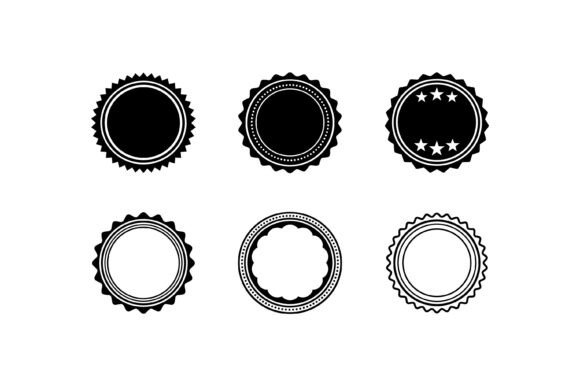
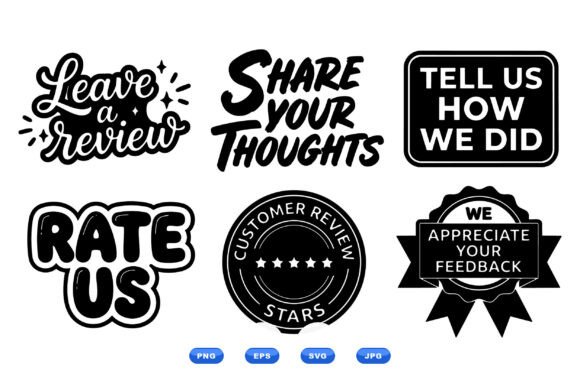
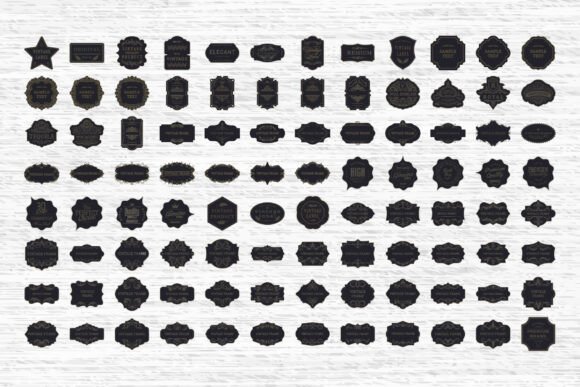
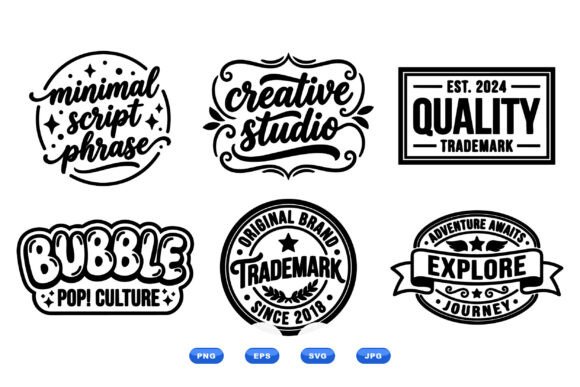
The moment you open the ZIP package, the aesthetic direction is clear. These are not minimalist, modern logos; they are rich, textured, and character-driven. The inclusion of script lettering, bubble logo styles, and quality seal designs gives you a versatile toolkit for branding. The mood is undeniably retro, leaning heavily into the mid-century Americana vibe that has seen a massive resurgence in recent years.
What stands out immediately is the layout. Each badge feels like a complete composition rather than just text floating on a background. There is a natural hierarchy in the shapes—the outer borders frame the inner text beautifully. For an embroiderer, this structure is helpful because it provides clear boundaries for your satin stitches and fill areas. It does not rely on fine, hairline details that might fray or break during the stitching process. Instead, it uses bold lines and solid shapes that translate well to thread. This makes it an excellent choice for anyone creating custom apparel or embroidered patches where durability and clarity are paramount.
Real-World Application: The Tote Bag Scenario
To truly test a design, you have to put it on a product that customers will actually use. I decided to apply one of the larger seal designs from Vintage Badge Logo Pack to a canvas tote bag for a local craft fair booth. The goal was to create a handmade product that looked professional enough to justify a higher price point while remaining accessible to gift buyers.
I selected a heavy-duty cotton canvas and used a cut-away stabilizer to prevent any distortion. The result was striking. The badge design anchored the bag perfectly. Because the design features thick outlines and substantial fill areas, it held up beautifully against the coarse texture of the canvas. When I placed it near the top center, it drew the eye immediately. Shoppers didn't just see a logo; they saw a statement piece. The vintage aesthetic paired with the tactile nature of embroidery created a sense of authenticity that printed graphics often struggle to achieve.
This scenario highlights why this pack is so valuable for Etsy sellers and small shop owners. You are not just selling a bag; you are selling a brand identity. A well-executed embroidered badge suggests attention to detail and quality control. It signals to the buyer that this item was made with care, which directly impacts customer trust and perceived value.
Performance Across Different Projects
Beyond the tote bag, I considered how Vintage Badge Logo Pack would function across various other embroidery project types. Its versatility is one of its strongest assets.
- Custom Apparel: On sweatshirts and t-shirts, these badges work exceptionally well as chest logos or back prints. The bold nature of the design ensures it remains visible even on darker fabrics, provided you choose high-contrast thread colors.
- Baby Embroidery: While the design is bold, some of the smaller seal options could work beautifully on baby clothes or nursery decor. However, caution is needed here. The script lettering must be large enough to be legible on tiny garments. I recommend reserving the simpler badge shapes for onesies and bibs.
- Holiday Embroidery: The retro style lends itself well to seasonal gifts. Imagine a quality seal design embroidered on a kitchen towel or a tea towel. It adds a touch of charm that fits perfectly in a farmhouse-style home.
- Embroidered Patches: If you plan to sell patches, this pack is a goldmine. The defined borders make trimming and finishing the edges much easier. Whether you are creating iron-on patches or sew-on labels, the structural integrity of the vector design translates to clean edges.
Where Caution Is Required
No design is perfect for every situation, and honest review requires pointing out where things might go wrong. There are specific scenarios where Vintage Badge Logo Pack needs careful handling.
First, consider hoop size. Some of the intricate script elements may become problematic if you try to downscale them too much. If you attempt to fit a complex badge into a very small hoop, the stitch density might become too high, leading to puckering or needle breaks. Always check the dimensions before resizing. If the lettering becomes too small, it will turn into a muddy mess of thread.
Second, think about fabric texture. While the bold lines work well on smooth cottons and canvases, they might get lost on highly textured fabrics like chunky knits or rough burlap. In those cases, the contrast between the thread and the fabric surface can obscure the details of the badge. Similarly, on stretchy fabrics like jersey, ensure you are using the correct stabilizer to prevent the circular shapes from distorting into ovals.
Dark fabrics present another challenge. Vintage badges often rely on light backgrounds to pop. If you are stitching on black denim or navy fleece, you may need to add a contrasting underlay or change the color palette of the design itself. Test this thoroughly. A dark blue badge on a black shirt will simply disappear.
Practical Designer Notes for Success
Before you start stitching, follow these steps to ensure your finished product looks professional:
- Test on Scrap Fabric: Never commit to a final garment without a test run. Use the same fabric and stabilizer combination you plan to use for the final product.
- Check Thread Contrast: Evaluate your thread colors carefully. High contrast is key for readability. Light threads on dark fabrics and vice versa usually yield the best results.
- Review Stitch Density: Look at the fill stitches in the software. If areas look overly dense, consider simplifying the design or adjusting the stitch settings to reduce bulk.
- Inspect Small Details: Zoom in on the script lettering. Are the curves smooth? Will they stitch cleanly? If you notice jagged edges in the vector, it may require manual editing before digitizing.
- Black and White Mockups: Convert your design to grayscale in your editing software. This helps you see if the visual weight of the design is balanced without being distracted by color.
- Confirm Licensing: This is crucial for commercial embroidery and digital product sellers. Ensure you have the right to sell finished items made from these designs. Some packs allow commercial use, while others are personal-use only. Do not assume.
Final Verdict
Vintage Badge Logo Pack is a robust addition to any designer’s library. It offers a cohesive, nostalgic aesthetic that resonates with current market trends. For those creating small shop products, boutique branding, or personalized gifts, this pack provides the visual authority needed to stand out.
It is not a magic bullet that fixes poor digitization skills, nor does it replace the need for proper technique. But as a foundational asset, it is strong. The shapes are reliable, the mood is engaging, and the potential for creating high-value finished products is significant. If you are ready to bring a touch of vintage charm to your next machine embroidery design, this pack is worth the investment. Just remember to test, adjust, and always prioritize the integrity of the stitch over the complexity of the design.