Pixel Grunge Title Bars Review
As a designer who spends more time than I care to admit staring at stitch density charts and fabric swatches, I approach every new embroidery file with a healthy dose of skepticism. The market is flooded with generic clipart that looks fine on a screen but falls apart when translated into thread. That is why I was intrigued by Pixel Grunge Title Bars. At first glance, it promises a specific aesthetic: retro UI elements, pixelated banners, and a nostalgic edge that feels right at home in modern streetwear or indie craft branding. But does it hold up under the needle? Can it survive the rigors of real-world production for an Etsy seller or a boutique owner?
I put this design through its paces, not just as a digital asset, but as a potential centerpiece for a finished product. Here is my honest breakdown of how Pixel Grunge Title Bars performs in actual machine embroidery projects.
First Impressions and Visual Personality
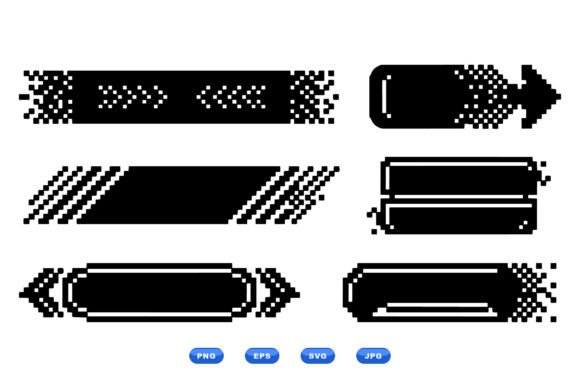
The immediate appeal of Pixel Grunge Title Bars lies in its bold, graphic nature. It displays six black pixelated banners and buttons with arrow and rounded frames, creating a cohesive set of retro UI web and game graphics. For designers looking to add a touch of nostalgia without resorting to cliché 8-bit characters, this is a strong starting point. The "grunge" aspect suggests texture and wear, which can translate beautifully into embroidery if executed with the right thread choices.
However, the monochromatic black vector requires careful planning. In the digital world, black is just a color code. On fabric, black is a commitment. When I first laid out the design assets, I realized that the success of this project hinges entirely on contrast. If you are stitching this onto a dark garment, you will need to use a contrasting thread color—perhaps a vibrant neon or a crisp white—to make the pixelated shapes pop. If stitched in black-on-black, you risk losing the definition of the individual pixels, turning what should be a sharp, geometric statement into a muddy blob.
Real-World Application: The Custom Tote Bag Scenario
To test the practicality of this design, I imagined a common scenario for small business owners: creating a custom embroidered tote bag for a local artisan market. This is a staple item for any craft business, and it needs to be durable, stylish, and instantly recognizable.
Pixel Grunge Title Bars works exceptionally well here. The banner shapes naturally lend themselves to text placement or standalone graphic statements. Imagine a canvas tote featuring one of the larger pixelated banners centered on the front panel. The structured, blocky lines of the pixel art provide a nice counterpoint to the soft, woven texture of the cotton canvas. It feels intentional and curated, elevating a simple tote into a piece of wearable art.
For an Etsy seller, this design offers versatility. You could use the smaller button elements as decorative accents near the zipper or handles, adding a playful detail that encourages customers to inspect the bag closely. The retro gaming vibe appeals to a broad demographic, from millennials nostalgic for early console games to Gen Z buyers who appreciate the Y2K aesthetic. It’s a handmade product that feels relevant to current trends without being overly trendy.
Performance on Different Fabrics and Garments
While the tote bag is a strong candidate, let’s look at other applications. How does this machine embroidery design perform on different materials?
- Sweatshirt Embroidery: This is perhaps the most lucrative application. A cropped hoodie or a boxy sweatshirt featuring the pixelated title bars creates an instant streetwear look. The thick fabric of a sweatshirt provides excellent stability, allowing the stitch density to remain consistent without puckering. Use a heavy-duty cut-away stabilizer to ensure the design stays flat after washing.
- Baby Embroidery: Surprisingly, this design can work for baby items, provided you scale it down appropriately. A onesie with a tiny pixelated banner reading "Little Gamer" or similar cute phrasing can be adorable. However, you must be cautious with the thread colors. Avoid harsh contrasts that might irritate sensitive skin, and ensure the back of the embroidery is clean and comfortable against the baby’s body.
- Embroidered Patch: The self-contained nature of the banners makes them ideal for creating iron-on or sew-on patches. These can be sold as standalone accessories or applied to denim jackets, backpacks, or caps. The pixelated edges actually help hide minor stitching imperfections, making this a forgiving design for beginners.
Where to Exercise Caution
Not every surface is created equal. There are several scenarios where Pixel Grunge Title Bars might struggle:
- Small Hoop Sizes: If you attempt to digitize or stitch the full set of six banners in a very small hoop, you may lose critical details. The thin lines between the pixels can merge if the resolution isn't high enough. Always check the minimum recommended hoop size before committing to production.
- Stretchy or Thin Fabrics: Stitching rigid pixel art on highly stretchy jersey knit without proper stabilization can lead to distortion. The straight lines of the banners may warp, ruining the geometric integrity of the design. Similarly, on thin fabrics like silk or sheer chiffon, the density of the fill stitches might cause visible puckering on the reverse side.
- Detailed Corners: Pixel art relies on sharp corners. In embroidery, needles can sometimes tear fabric at tight angles, especially on delicate materials. Inspect the corner points of your design file to ensure they are reinforced or slightly softened if necessary.
Technical Considerations for Designers
Before you load this digital embroidery file into your machine, there are a few technical steps every professional should take. First, always test the design on scrap fabric that matches the weight and texture of your final product. This allows you to adjust tension and choose the appropriate stabilizer.
Second, review the stitch density. Pixel art often uses dense fill stitches to create solid blocks of color. Ensure your machine can handle this density without breaking threads or causing excessive heat buildup. If the design feels too dense, consider switching from a solid fill to a combination of satin and running stitches to reduce bulk while maintaining the visual impact.
Third, think about your thread colors. While the original vector is black, don’t limit yourself. Experiment with variegated threads to give the pixelated edges a unique, almost glitch-art appearance. Or, use metallic threads for the borders to add a touch of luxury to the retro aesthetic. This attention to detail can significantly increase the perceived value of your finished product.
Commercial Viability and Licensing
For those selling handmade goods, licensing is paramount. The product description mentions an instant download ZIP including SVG, EPS, and PNG transparent files. This suggests the primary format is vector-based, which is excellent for scaling. However, you must verify the license terms before using these designs for commercial purposes. Does the license allow you to sell physical items made from the embroidery? Are there restrictions on the number of units you can produce?
Assuming the license permits commercial use, Pixel Grunge Title Bars has strong potential. It fits seamlessly into the craft business ecosystem, appealing to customers who want personalized gifts, custom apparel, or unique home decor. The nostalgic theme triggers an emotional response, which is a powerful driver for impulse buys in online shops.
Final Verdict
Pixel Grunge Title Bars is a versatile, visually striking design that brings a modern-retro flair to machine embroidery. It excels in applications like tote bags, sweatshirts, and patches, where its bold geometry can shine. While it requires careful attention to contrast and stabilization, particularly on challenging fabrics, the results can be highly professional and marketable.
For the experienced designer, this file offers a solid foundation for creating distinctive custom apparel and personalized gifts. For the hobbyist, it provides a fun way to experiment with pixel art aesthetics in thread. Just remember to test thoroughly, plan your color palette wisely, and respect the technical limitations of your equipment. When done right, this design doesn’t just sit on the fabric—it tells a story.