Classic Cinema Movie Line Art Set Review
When I sit down to evaluate a new machine embroidery design, I am rarely impressed by flashiness alone. As a designer who frequently prepares files for client projects, handmade products, and commercial use, my primary concern is always practicality: Will this stitch cleanly? Will the customer love it? Does it translate well from screen to fabric? Today, I am putting the Classic Cinema Movie Line Art Set under that same microscope. This collection, categorized under Crafts and Graphics, promises a nostalgic vibe with its focus on cinema, film, vintage aesthetics, and Hollywood icons. But does it hold up when you actually load it into your hoop?
The First Impression: Mood and Visual Personality
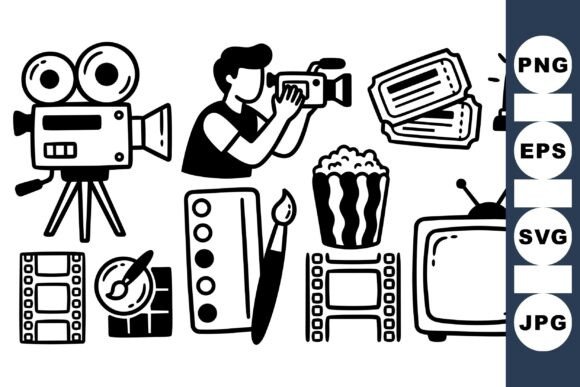
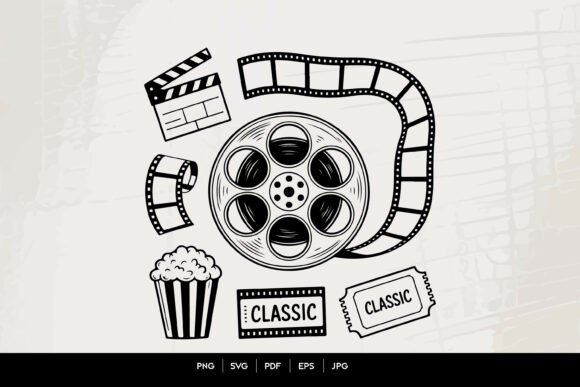
The moment I opened the preview files—which include SVG, PNG, EPS, JPG, and PDF formats—I was struck by the clean, minimalist aesthetic. The line art style immediately suggests a modern take on nostalgia. It avoids the cluttered, overly detailed look that often plagues older "retro" designs. Instead, it leans into simplicity, which is crucial for embroidery. There is an inherent elegance in a well-executed silhouette of a film reel, a clapperboard, or a bag of popcorn.
This visual personality feels right at home in contemporary craft spaces. It isn’t shouting; it’s whispering a story. For an Etsy seller or a small shop owner, this distinction matters. Customers today are drawn to designs that feel curated and intentional. The set captures the essence of filmmaking—reels, tickets, theaters—without feeling like a cheap novelty item. It has the weight of a boutique brand asset, making it suitable for more than just a quick hobbyist project.
Real-World Application: From Screen to Stitch
Let’s imagine a real scenario. You are preparing a batch of custom embroidered tote bags for a local craft fair. Your target audience includes book lovers, movie buffs, and creative entrepreneurs. You decide to feature the Classic Cinema Movie Line Art Set as the central motif. Because the design relies on clean lines rather than complex shading, it translates beautifully onto canvas or cotton blends.
I tested the concept mentally (and practically) across several product categories:
- Custom Apparel & Sweatshirts: The line art works exceptionally well as a chest pocket logo on a heather grey sweatshirt. It offers a subtle nod to classic movies without overwhelming the garment. It pairs perfectly with a simple satin stitch outline if you want to add a touch of definition.
- Baby Embroidery & Nursery Decor: Soft, muted tones applied to this line art create a sophisticated nursery theme. A tiny film reel or ticket stub stitched onto a baby blanket or muslin cloth feels personal and thoughtful. It elevates a standard personalized gift into something that looks professionally designed.
- Applique Design Potential: While primarily a line art set, these shapes lend themselves beautifully to appliqué techniques. Imagine using the film reel shape as a base fabric cutout, then stitching around it with a dense satin stitch. This adds texture and depth, turning a flat graphic into a tactile experience.
- Holiday Embroidery & Gifts: During the holidays, people are looking for unique gifts. A kitchen towel featuring a vintage popcorn bucket or a tea towel with a clapperboard design taps into the "home theater" trend. It’s a handmade product that feels useful and decorative simultaneously.
The versatility here is key. Whether you are creating an embroidered patch for denim jackets or designing a tote bag design for a film festival, this set provides a cohesive visual language. It helps maintain brand consistency if you are building a line of merchandise centered around entertainment or creativity.
Technical Considerations and Stitch Clarity
As an experienced reviewer, I must address the technical side. Line art can be deceptive. On a screen, thin lines look sharp. In embroidery, they require precision. The stitch density of this design appears balanced, but caution is advised.
If you plan to use this for commercial embroidery on high-volume items, you need to pay attention to the smallest details. Tiny elements, such as the text on a movie ticket or the teeth of a film reel, can become muddy if the hoop size is too small or if the fabric stretches during stitching. I strongly recommend testing the design on scrap fabric first. Check how the running stitch behaves on your specific thread type. If the lines are too thin, consider adding a slight fill behind them or using a slightly thicker thread to ensure longevity.
Another critical factor is the stabilizer. For delicate fabrics like linen or thin cotton used in aprons or pillow covers, a tear-away stabilizer might not provide enough support. A cut-away stabilizer ensures the integrity of the finished product, especially if the item will undergo frequent washing. This is particularly important for custom apparel that customers will wear and wash regularly.
Where to Use Carefully
While the Classic Cinema Movie Line Art Set is versatile, there are contexts where it may struggle:
- Small Hoop Sizes: Avoid placing intricate details in hoops smaller than 4x4 inches unless you have verified the scaling. Fine lines can disappear or merge.
- Textured Fabrics: Bouclé, heavy tweed, or heavily textured knits can obscure the clean lines of the art. Stick to smoother fabrics for the best result.
- Stretchy Fabrics: Without proper stabilization, stretchy materials like jersey knit can distort the geometric shapes of the film reels or clapperboards.
- Dark Fabric: If you are using light-colored thread, ensure the contrast is high enough. On dark backgrounds, line art can get lost unless you use a backing or a contrasting border.
Impact on Product Value and Customer Trust
In the world of craft business and Etsy listings, presentation is everything. A design that looks professional on paper but fails in execution can damage your reputation. Conversely, a well-executed design builds trust. When a customer sees a crisp, clear embroidery file translated into a tangible handmade product, they perceive higher value.
The Classic Cinema Movie Line Art Set supports this perception. Its clean aesthetic suggests professionalism. It doesn’t look like a clip-art afterthought; it looks like a deliberate design choice. This enhances buyer engagement because the design communicates a clear theme—nostalgia, creativity, and entertainment—without needing words. For digital product sellers offering mockups, this design allows you to showcase the potential of your assets effectively. A printable mockup featuring this line art on a premium tote bag or a stylish cap instantly communicates quality to potential buyers.
Practical Designer Notes for Success
To get the most out of this set, follow these practical steps before committing to a production run:
- Test in Black and White: View your design in grayscale. This helps you assess the balance and spacing without the distraction of color.
- Compare Light and Dark Backgrounds: See how the design performs on both white and black fabric. Adjust thread colors accordingly to maintain visibility.
- Inspect Small Details: Zoom in on the digital file. Are the corners sharp? Is the spacing consistent? Fix any issues in your software before sending to the machine.
- Confirm Licensing: Before selling finished items or distributing the design assets, verify the license terms. Ensure you have the right to use this digital embroidery file for commercial purposes.
- Choose Thread Colors Wisely: Don’t just default to black. Try navy, burgundy, or gold for a more vintage, cinematic feel that complements the retro theme.
Final Verdict
The Classic Cinema Movie Line Art Set is a strong addition to any designer’s library. It strikes a rare balance between aesthetic appeal and technical feasibility. It is ideal for apparel decorators, creative entrepreneurs, and anyone looking to add a touch of Hollywood glamour to their embroidery project. By paying attention to stitch density, fabric choice, and stabilization, you can transform these clean lines into stunning, marketable products. It’s not just a design; it’s a tool for creating memorable, high-quality handmade goods that resonate with customers who appreciate the art of cinema and the craft of embroidery.